Skip to content
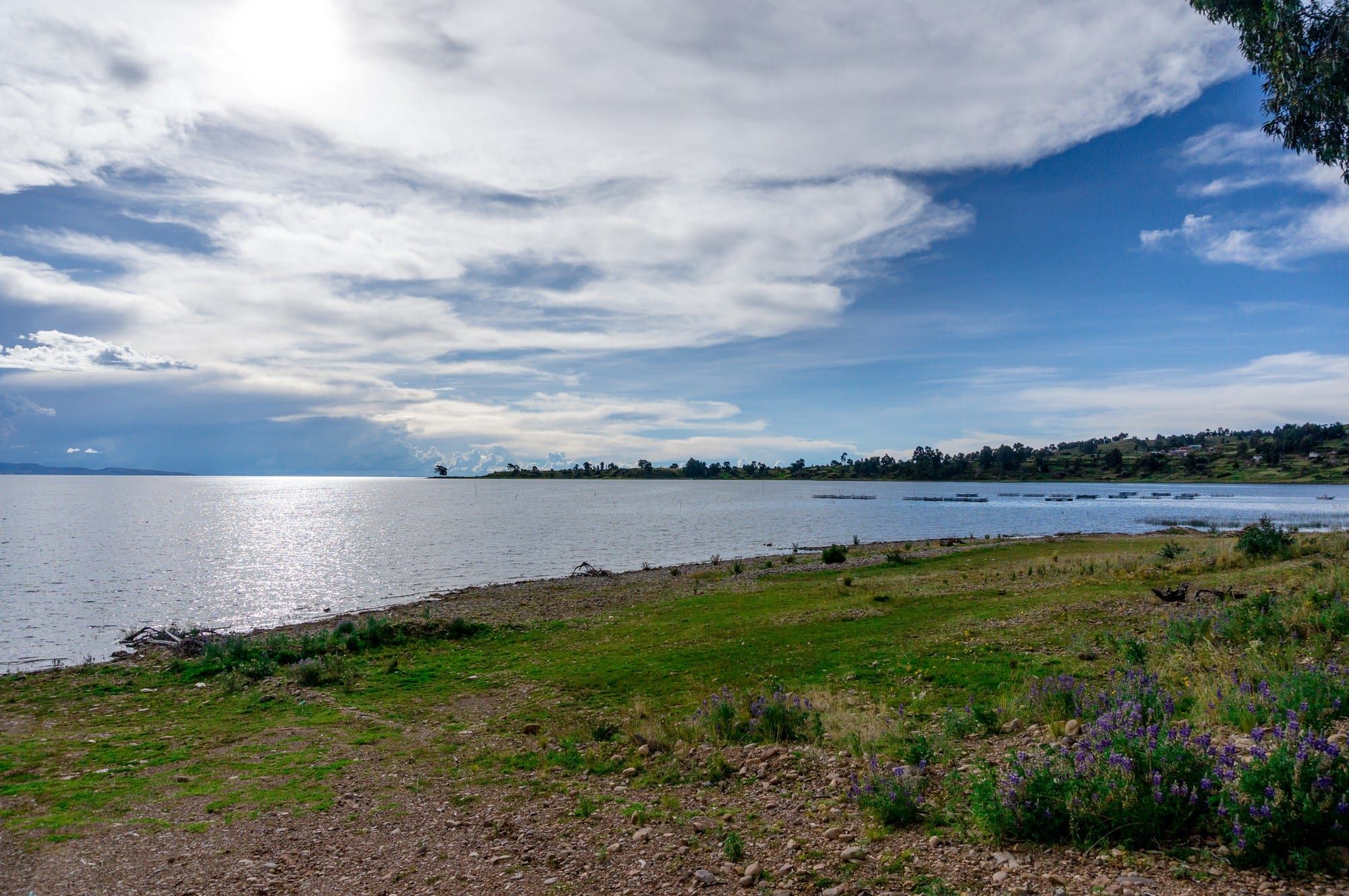
Islas flotantes de totora con churatas, lanchas amarradas y criaderos de trucha

Culture · Nature · Gastronomy

Two days and one night

Floating islands, sunset on Cerro Calvario, Island of the Moon and Island of the Sun, with a night at Hotel Paraíso.

Duration
2 days
Effort
Moderate
Departure point
La Paz
Lodging
Included

Route

  1. Bus from La Paz to Copacabana
  2. 22 more stops
  3. Arrival in La Paz
See the route

From$99 USDper adult

Check availability

Send a request, no payment. The operator confirms availability and price.

  • Capillas del vía crucis en la cumbre del cerro Calvario, frente al lago Titicaca
  • Muros del Iñak Uyu, el templo de las vírgenes del Sol, en la Isla de la Luna
  • Escalera del Inca en Yumani, con estatuas, jardines y la fuente de agua

What is included

  • Totora-reed floating islands: catch your own trout and have it freshly cooked for lunch
  • Climb up Cerro Calvario to watch the sunset over the lake
  • Night at Hotel Paraíso, with dinner and breakfast
  • Island of the Moon (temple of the Virgins of the Sun) and Island of the Sun with a wathia lunch, cooked the traditional way in an earth oven
See inclusions and exclusions

Who it is for

moderate level. Some climbs above 3,800 m of altitude.

How to book

  1. 1. Send a request, no payment.
  2. 2. The operator validates availability, price and payment.
  3. 3. You get confirmation and the meeting point on WhatsApp.

Your route, stop by stop

Tap any stop to see photos, rooms, menus, history and conditions.

Stop 1 of 30

Day 1

Day 2

Commercial detailsWhat is and is not included, policies and price by age.Go to the details

Commercial details

Two days from La Paz. Day one: the totora-reed floating islands, where you catch your own trout and have it freshly cooked for lunch, and a climb up Cerro Calvario to watch the sunset over the lake, with dinner and a night at Hotel Paraíso. Day two: breakfast at the hotel, a boat to the Island of the Moon (temple of the Virgins of the Sun), a lunch of wathia cooked the traditional way in an earth oven on the Island of the Sun, a walk to the Fountain of the Three Waters and the return sailing across Lake Titicaca.

Included

  • Totora-reed floating islands: catch your own trout and have it freshly cooked for lunch
  • Climb up Cerro Calvario to watch the sunset over the lake
  • Night at Hotel Paraíso, with dinner and breakfast
  • Island of the Moon (temple of the Virgins of the Sun) and Island of the Sun with a wathia lunch, cooked the traditional way in an earth oven
  • Fountain of the Three Waters and the return sailing across Lake Titicaca

Not included

  • Personal expenses
  • Community fees on the islands (cash, in bolivianos)

Change and cancellation policy

Times are for reference and may change with the weather, the state of the lake, traffic and boat departures; the guide will confirm any change during the trip. Prices in US dollars per person.

If the weather does not cooperate

Weather and lake conditions may change sailing times; the guide will confirm any change during the trip. Bring a warm layer for the afternoon and night: on the lake and the summits the cold arrives suddenly at sunset.

Requirements and recommendations

Altitude: Copacabana is at 3,841 m and the Island of the Sun rises above 3,900 m; walk slowly, stay hydrated and drink coca tea. What to bring: sunscreen, a hat, sunglasses, a warm layer for the afternoon and night, comfortable shoes and cash in bolivianos for personal expenses and community fees on the islands. Documents: bring your ID card or passport; the circuit does not cross the border, but there are checkpoints on the road.

Departure point

La Paz

Upcoming departures

There are no published departures yet. Send a request and the operator will propose dates.

Ask for a date

Stories of the route

LegendTraditional story: not a proven historical fact.

The birth of the Sun

They say that after the flood the world was left in darkness and people lived in fear. One day the Sun rose in all its splendour from the cleft of the great sandstone rock in the north of the island; that is why the crag was called Titikala, the puma's rock, and the island, Island of the Sun. Another version says the Sun hid under the rock during the flood and the island was the first land to emerge when the waters went down.

Representación de Manco Kápac y Mama Ocllo en el lago TiticacaLegend

Traditional story: not a proven historical fact.

Manco Kápac and Mama Ocllo

The Sun god, taking pity on people who lived like beasts, sent his children Manco Kápac and Mama Ocllo to civilise them. He made them emerge from the sacred rock and gave them a golden staff: where it sank at the first blow they were to found their city. They walked north to the Cusco valley, where the staff disappeared into the ground, and there the empire was born. He taught men to farm and build; she taught women to spin and weave.

Fuente de las tres aguas al pie de la Escalera del Inca, Isla del SolOral tradition

Memory passed down through generations in the lake communities.

The fountain of eternal youth

The people of Yumani say the three spouts of the Inca fountain flow from a spring that has not run dry in five hundred years, and that whoever drinks from them stays young. They say each one tastes different and that drinking from all three brings health, wisdom and youth; the three spouts also recall the threefold Andean law: ama sua, ama llulla, ama qhella (do not steal, do not lie, do not be lazy).

LegendTraditional story: not a proven historical fact.

The Moon rises to the sky

The myth says that Wiracocha, after bringing the Sun out of the Titikala, ordered the Moon to rise from Koati. That is why the island belongs to her, and why for centuries only consecrated women could live there: it was Mama Killa's home on earth.

Ruinas de Iñak Uyu, la casa de las escogidas, en la Isla de la LunaDocumented history

Backed by archaeological or historical sources.

Iñak Uyu, the house of the chosen women

The island was already a ceremonial place for Chiripa and Tiwanaku, but it was the Inca Túpac Yupanqui who built Iñak Uyu, the “women's compound”, on its eastern slope: an acllahuasi where the Virgins of the Sun learned to weave, to make chicha and to serve in the cult. Chroniclers tell of a statue of a woman with a gold torso and silver legs inside, an image of the Moon, and say the temple was looted and abandoned in colonial times.

Oral traditionMemory passed down through generations in the lake communities.

The stone that carries the sins

The penitent picks up a stone at the foot of the hill and carries it all the way up; at each station they throw it at the cross and pick it up again. The stone stands for one's faults: if at the end it stays on the pedestal, they say, the burden has been forgiven and the request will be heard.

LegendTraditional story: not a proven historical fact.

The raft of the flood

Legend says the altiplano was a fertile valley until people disobeyed the Apus and climbed to the summit of the Sacred Fire. As punishment the Apus let loose hundreds of pumas, and Inti wept for forty days and forty nights until the valley flooded. Only one couple survived, aboard a totora-reed raft. That is why the reed is seen as a gift from Mama Qota: permission is still asked of the lake before cutting it, and raft and island builders treat it with the respect owed to what saves lives.

Gallery

  • Islas flotantes de totora con churatas, lanchas amarradas y criaderos de trucha
  • Capillas del vía crucis en la cumbre del cerro Calvario, frente al lago Titicaca
  • Muros del Iñak Uyu, el templo de las vírgenes del Sol, en la Isla de la Luna
  • Escalera del Inca en Yumani, con estatuas, jardines y la fuente de agua
  • Islas flotantes con sombrillas de paja y comedores sobre el lago
  • Terrazas de cultivo en la ladera de la Isla del Sol frente al lago azul
  • Fachada del Hotel Paraíso, edificio de cuatro pisos pintado de blanco, azul y rojo, con estacionamiento al frente

Frequently asked questions

How does the altitude affect me?

Copacabana is at 3,841 m and the Island of the Sun rises above 3,900 m; the whole destination lies between 3,800 and 4,000 m. Walk slowly, stay hydrated, eat light, avoid alcohol the first nights and drink coca or muña tea. If you have heart or breathing problems, ask your doctor before travelling.

What should I bring?

Sunscreen, a hat, sunglasses, a warm layer for the afternoon and night, comfortable shoes and cash in bolivianos for personal expenses and community fees on the islands. For the islands, a water bottle and a torch also help.

What documents do I need?

Bring your ID card or passport. The circuits do not cross the border, but there are checkpoints on the road.

Are the times fixed?

No. Times are for reference and may change with the weather, the state of the lake, traffic and boat departures; the guide will confirm any change during the trip.

What currency are prices in, and what is paid in bolivianos?

Circuit prices are in US dollars per person: USD 59 for the Full Day and USD 99 for the two-day, one-night programme. Community fees on the islands and at the sites are paid separately, in cash and in bolivianos (2025–2026 reference: Island of the Sun 5 to 20 Bs per sector or site; Island of the Moon 15 to 20 Bs). The communities set them and they may change.

How do I book?

Send a request from the circuit with your preferred date and party size. The operator confirms availability, the final price and how to pay; the request is not yet a confirmed booking.

Where do the circuits start?

Both programmes leave by bus from La Paz and return to La Paz at night. At the Strait of Tiquina passengers cross by boat while the bus crosses on a barge.

Are there ATMs and phone signal on the islands?

There are no ATMs on the islands: only cash is accepted, ideally in small notes. Copacabana has ATMs, banks and exchange offices. Signal is good in town and poor or absent on the islands.

When is the best time to travel?

The dry season, May to October, brings clear skies and a calm lake, though nights can drop below 0 °C. From November to March there are afternoon showers. During the feasts lodging sells out months in advance.

How do I visit the islands respectfully?

The sites and islands are run by Aymara communities: pay their fees willingly, ask before photographing people, do not climb walls or take stones or offerings, and carry your rubbish back.

From$99 USD

Ask