Skip to content
Stories

Cerro Calvario

Copacabana

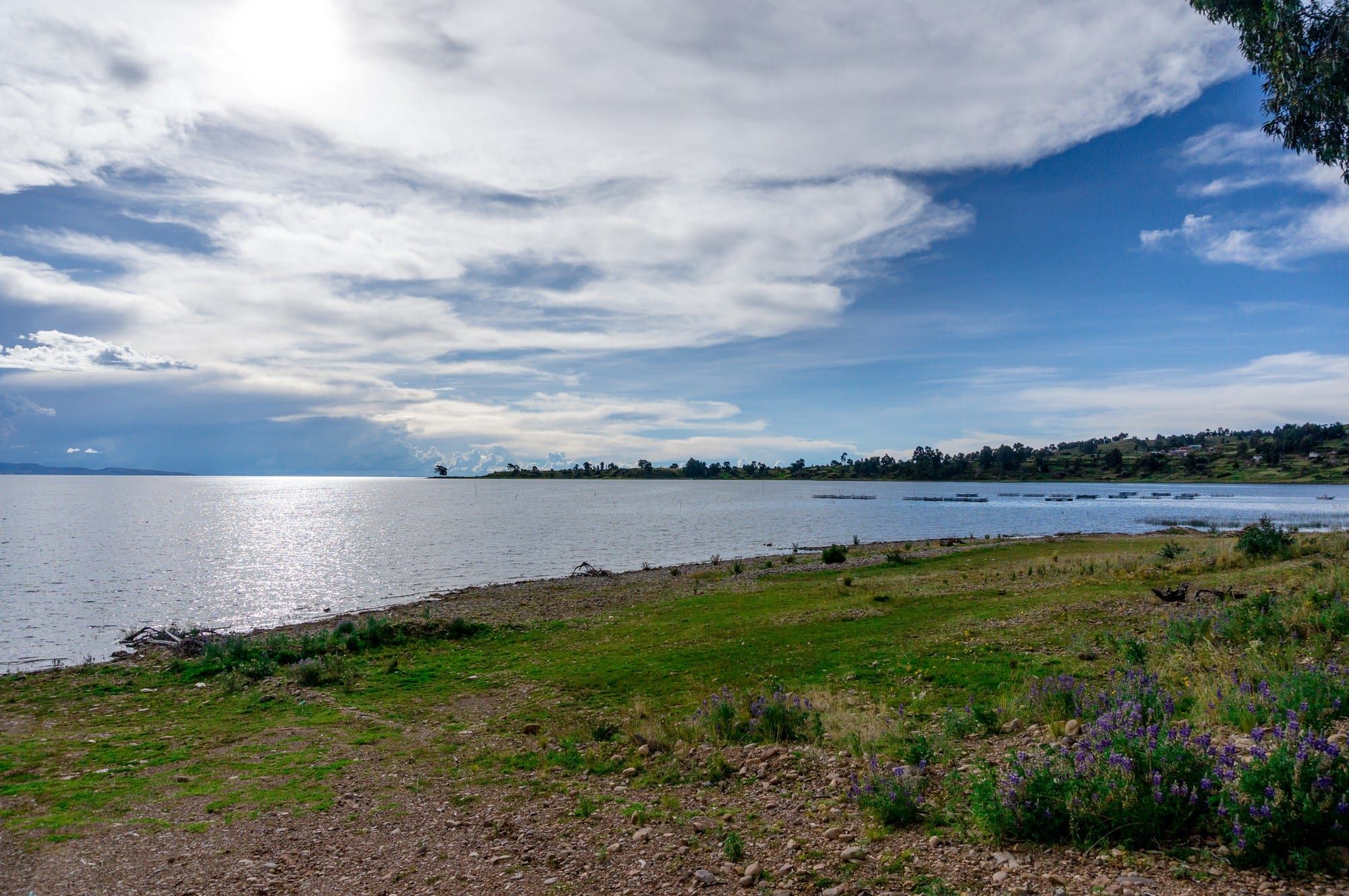
Hill to the north-west of town, about 120 m above Copacabana, with its summit near 3,960 m above sea level. A steep cobbled stairway climbs past the fourteen Stations of the Cross built in 1946 at the initiative of Friar Leonardo Claure. Along the way and on top, yatiris read coca leaves and perform ch’allas, and miniatures are sold to make wishes. The lookout takes in the town, the lake, the Island of the Sun and the Peruvian shore; sunset is the best time.

The path starts at the end of Destacamento 211 street, a few blocks from the square; the climb takes 20 to 40 minutes and entry is free. The slope is steep and you are close to 4,000 m: go slowly and bring water. From May to August the summit wind is icy at sunset. Avoid climbing alone at night outside feast days.

Stories

Oral traditionMemory passed down through generations in the lake communities.

The stone that carries the sins

The penitent picks up a stone at the foot of the hill and carries it all the way up; at each station they throw it at the cross and pick it up again. The stone stands for one's faults: if at the end it stays on the pedestal, they say, the burden has been forgiven and the request will be heard.

  • Capillas del vía crucis en la cumbre del cerro Calvario, frente al lago Titicaca
  • Camino entre las capillas de la cumbre del Calvario con el lago al fondo
  • Arco de entrada y escalinata de piedra al inicio de la subida al Calvario
  • Cruz de piedra de una estación del vía crucis en la escalinata empedrada
  • Monumento con imagen religiosa y estación del vía crucis en la ladera del Calvario
  • Cruz de piedra sobre las rocas del Calvario con la bahía de Copacabana al fondo
  • Altar con cruz en la cumbre del cerro Calvario
  • Capilla con la bandera de Bolivia y reja en la cumbre del Calvario
  • Cruz de piedra sobre pedestal en el camino del vía crucis
  • Estación del vía crucis entre rocas con el lago a un costado